



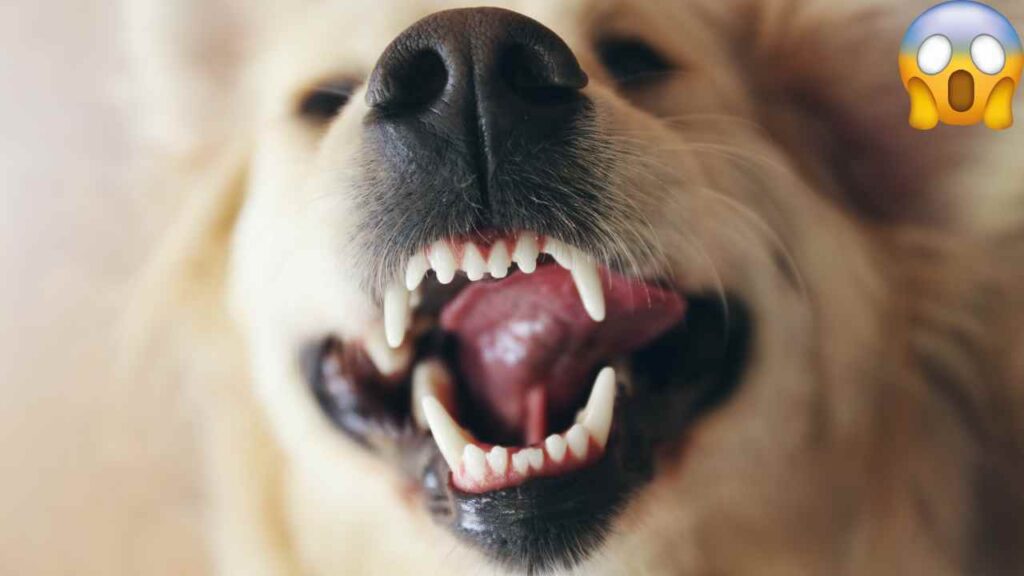
On this article I need to share with you some fascinating headlines from a latest analysis paper about aggressive conduct in canine. Aggressive conduct isn’t one thing that’s nice to consider, and hopefully it’s one thing you’ll by no means encounter. However all of us share the potential to turn into higher canine house owners by understanding why canine generally resort to aggression, and the way we will scale back the chance of it occurring.
It’s vital I begin by stressing that the underlying causes for aggressive behaviour are sometimes advanced and overlapping. None of what follows is meant to supply a cut-and-dry purpose for canine aggression in any particular person scenario. When you’re fighting aggressiveness out of your canine, please discuss to their vet or an skilled drive free behaviorist as quickly as attainable. Your vet will rule out underlying medical points or ache which may set off hostile conduct. They will most likely suggest behaviorist too, if you happen to don’t know the place to begin. The behaviorist will meet you and your canine to construct up a whole image of their conduct and what’s behind it. Then they’ll provide you with step-by-step directions for attaining change.
On to the brand new analysis…
Earlier analysis into canine aggression has focussed closely on what the canine themselves had in frequent. For instance their breed, whether or not they had been adequately socialized as puppies, or if that they had a historical past of reactivity. This new paper from the College of Lincoln, England, gives a contemporary perspective. It takes a have a look at what the house owners of canine displaying aggressive behaviours have in frequent. And the outcomes are definitely meals for thought…
Aggressive canine usually tend to belong to first time canine house owners
Intuitively, this makes lots of sense. The extra canine we get the pleasure of proudly owning, the extra expertise we acquire of the best way to decrease undesirable behaviour. The researchers in Lincoln discovered that first time canine house owners had been notably extra more likely to report their canine being aggressive at meal occasions and through dealing with. Which suggests they (the house owners) may need had restricted understanding of useful resource guarding, and the best way to efficiently acclimate their canine to being dealt with.
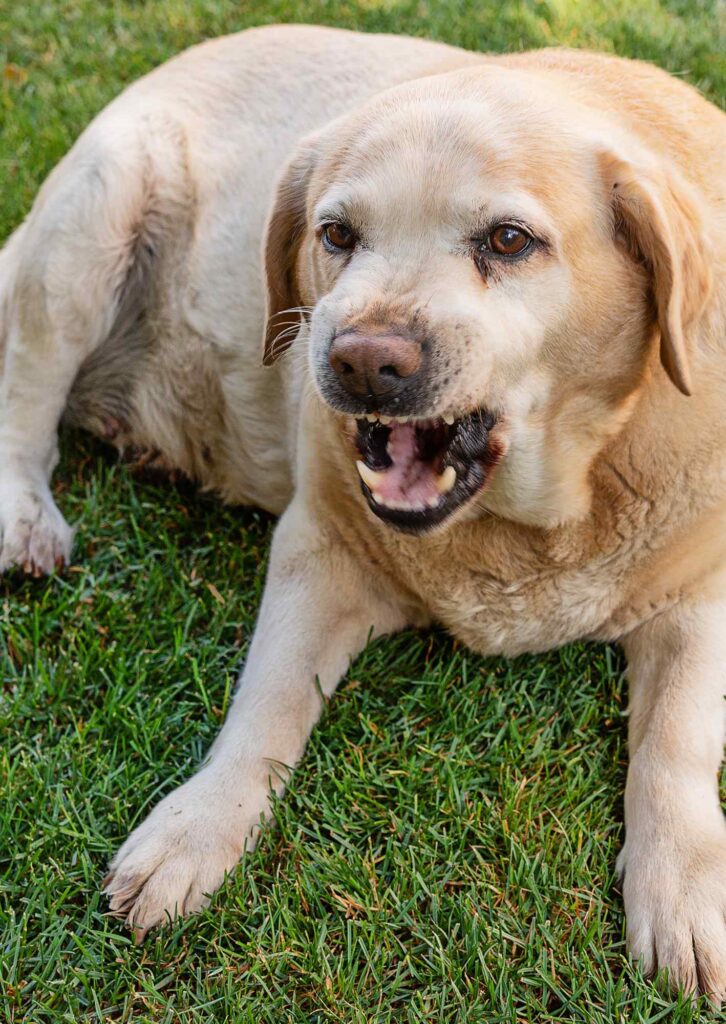
Aggressive canine usually tend to belong to folks below 25, and least more likely to belong to folks over 60 years previous
This sounds partly like a logical extension of the purpose above. Older individuals are extra more likely to have owned different canine earlier than, and have extra expertise of what will increase and reduces the potential for aggressive conduct.
However the researchers speculated that life-style elements is also related. Canines in households with older individuals are more likely to take pleasure in extra predictable every day routines, extra time for train and coaching, and extra time for merely hanging out. Canines thrive off the soundness of a constant every day routine, which interprets into a discount in stress. Likewise, profitable coaching units canine as much as win, and offers them religion in their very own potential to make rewarding selections, which reduces stress. And earlier analysis has already pointed to a hyperlink between relationship-building interactions like petting and speaking, and lowered indicators of stress in canine. In all these eventualities, it’s the discount in stress which additionally decreases the chance of the canine resorting to aggression.
Aggressive canine usually tend to belong to individuals who usually really feel tense, irritable, discontent, moody or missing in self worth
It is a fascinating correlation, not least as a result of it appears to lend credibility to the previous knowledge that if you happen to act calm and in management, your canine will observe swimsuit. However the researchers had been at pains to level out that simply because two issues coincide, it doesn’t essentially imply one among them prompted the opposite. On this case, in addition they famous that the stress of proudly owning an aggressive canine may very well be why their house owners reported a low temper. So we don’t know for positive if the 2 issues are linked, and if they’re, which causes the opposite. It will be nice to see extra analysis on this subject in future.
Aggressive canine usually tend to have been skilled utilizing punishment
The strongest hyperlink the researchers discovered was between bodily punishment or dominance-theory primarily based coaching, and elevated human-directed canine aggression.
Pippa has written about this in depth elsewhere on this web site. And right here at Labrador HQ we’re glad to see the connection is being studied and gaining wider recognition. The researchers discovered ‘sturdy’ proof that punishment in canine coaching will increase aggression. This wasn’t restricted to coaching primarily based fully or totally on punishment for getting it ‘flawed’. Even constructive reinforcement coaching mixed with some punishment was linked to elevated studies of aggression. We’d add to this that it additionally slows down coaching, as a result of canine study to concern making the flawed selection, and that places them off performing in any respect. And eventually there’s a excessive propensity for ‘gentle’ punishments to spiral into extra extreme ones, which individuals are simply as depressing delivering as their canine are to obtain.
 (paid hyperlink)
Are folks accountable for aggressive canine?
Earlier than I shut, I actually need to emphasize that aggressive behaviour isn’t an easy consequence of only one factor. The patterns noticed by these researchers are fascinating to think about. They assist us to grasp how we will help our canine to reside pleased lives, wherein they don’t really feel the necessity to resort to aggression. Each of you should really feel pleased and secure in one another’s firm, and if you happen to’re struggling, please discuss to your vet, or a behaviorist.


